


Healthy Body > 5 Things to Know About Bloating {Giveaway}
5 Things to Know About Bloating {Giveaway}
Bloating is an epidemic that, for many of us, has no identifiable cause and is a source of chronic discomfort. Who hasn't been plagued with that uncomfortable weighed-down feeling and wondered why?
Understanding what’s behind that suffering is the key to deflating for good. After all, let’s be honest: we all want to have a flatter stomach. But beyond just looking better, our gastrointestinal health is crucial to our overall sense of wellbeing. (Remember, I shared with you how a healthy gut can change your life.)
The good news: my close friend, New York Times bestselling author and leading gastroenterologist Dr. Robynne Chutkan, has a new book! The Bloat Cure helps us identify the root causes of our bloat and learn the simple, everyday steps that we can take to say “goodbye” to uncomfortable (and unhealthy!) bloating and “hello” to immediate relief.
Having contributed recipes to her previous best-sellers, I sat down with Dr. Chutkan to talk gut health, and she answered some of our most pressing questions on how to live bloat-free. Read on to see what she has to say.
What is bloat?
Bloating refers to excessive gas in your digestive tract. There are so many things that conspire to bloat you that I wrote a whole book about it! Unlike belly fat, which can also make you look and feel like the Michelin woman, bloat generally ebbs and flows – you may wake up flat as a pancake, and by the end of the day, you’re popping out of your pants. Whether caused by diet, lifestyle, or a more serious condition, The Bloat Cure can help you identify the root cause of your bloat and find an effective solution.
What foods should a person avoid if they are bloated?
The SAD GAS foods are the biggest culprit when it comes to bloat: Soy (estrogen-like effects that contribute to bloating and weight gain); Artificial sweeteners (incomplete absorption in the small intestine leads to fermentation by colonic bacteria and lots of gas and bloating); Dairy (more than half the world is lactose intolerant, and that may include you!); Gluten (your small intestine isn’t designed to digest processed gluten-containing grains); Alcohol (damages the lining of your stomach, impairs release of bloat-busting digestive enzymes from the pancreas, adds pounds to your waistline by slowing the body’s fat-burning ability, and causes dehydration and fluid retention); and Sugar (the preferred food for gas-producing bacteria and undesirable yeast species like candida that cause bacterial imbalance, a major cause of bloating).
Too much of a good thing can also cause bloating: cruciferous vegetables like cabbage, cauliflower, kale, and broccoli contain potent cancer-fighting compounds and lots of healthy fiber, but they also contain a starch called raffinose that your body can’t fully break down and digest. Bacteria in your colon ferment raffinose and produce methane, which you may experience as smelly, bloat-causing gas. I never recommend completely eliminating these “good gas” foods, because they contain lots of nutrients, but eating them in small amounts or with lemon juice to stimulate digestive enzymes can help minimize your bloat.
How do lifestyle factors contribute to bloating?
Late-night eating is a major risk factor for bloating. You may not know this, but: your stomach actually has a bedtime! Its muscular contractions are tied to the light-dark cycle, also known as the circadian rhythm. Contractility is most active during the day, when the sun is up, and least active at night, after it sets—which is, unfortunately, when most of us consume the majority of our calories. To make matters worse, after filling our sleepy stomachs with food at night, we’re usually reclining, so we don’t have the benefit of gravity to help transport things from north to south.
How much exercise we get can also determine whether we end up bloated or not. Exercise increases production of nitric oxide, a chemical that relaxes the smooth muscles of the digestive tract and speeds up peristalsis. Exercise also increases lymphatic flow, which transports digested fats and metabolic waste through the body and helps to keep us bloat-free. As I’m fond of telling my patients: if you’re not moving, neither is your bloat!
Could stress be causing bloating…or making it worse?
Stress can worsen virtually every digestive condition there is, and bloating is no exception. Stress disrupts the normal hormonal messages throughout your gut that are important for bowel regularity, and it can trigger the fight-or-flight response that diverts resources from your digestive tract: increasing stomach acid, shunting blood away from your intestines, decreasing enzyme secretion, slowing down stomach emptying, and speeding up colonic contractions, all of which can add up to some serious bloat.
Like many people, you may have a lot of stress in your life, and you may be really bloated. But could stress actually be causing your bloat? The answer is: maybe. There are definitely people whose bloating is entirely due to stress, although more commonly, stress is an exacerbating factor, making symptoms worse. Gut-directed hypnotherapy (GHT) to relieve stress is an effective therapy for GI distress and bloating, and superior to medical treatment alone in clinical studies. Quality-of-life outcomes are improved, and GHT has a long-term positive effect even in difficult-to-treat cases of stress-induced bloating.
What are the best foods to help reduce bloating?
While certain foods can bloat you, eating the right foods and liquids (think cocochia!) can help reduce your bloat and prevent it all together. Focus on foods high in resistant starch (green bananas, green peas, lentils, uncooked rolled oats, and white beans) and inulin (artichokes, asparagus, bananas, chicory root, dandelion root, garlic, leeks, and onions) to promote the growth of beneficial gut bacteria. Leafy greens can help cleanse the gut and crowd out pathogens, and fermented foods like kimchi and kefir are actually prebiotics – food for your healthy gut bacteria. Fennel seed, ginger, peppermint oil capsules, and psyllium husk fiber have also been shown to relieve bloating and the abdominal discomfort that accompanies it.
Follow these dietary guidelines for a happier, healthier (and flatter!) you.
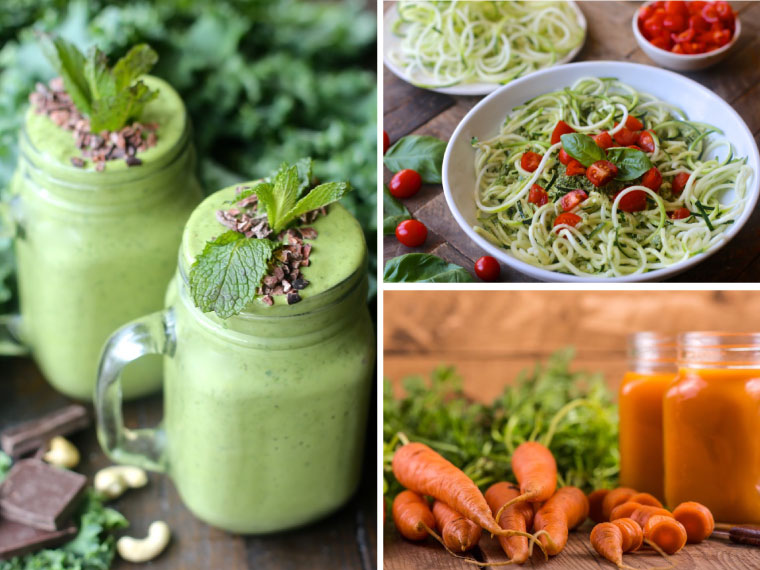
Try these bloat-busting Kale & Chocolate recipes the next time you’re facing gastrointestinal discomfort:
Cocochia
Coconut milk kefir
Gingered carrots
Green bananas
Microbe-boosting green smoothie
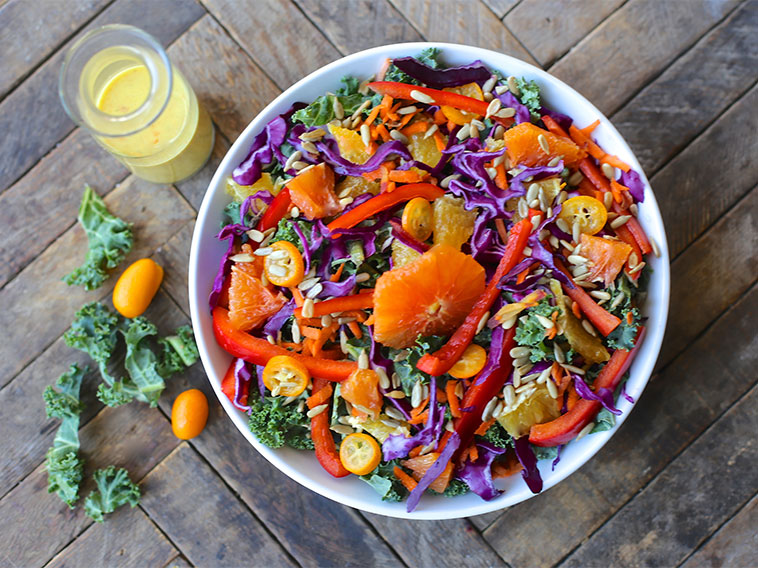
Rainbow salad
Roasted asparagus
Split pea soup (dal)
Zucchini Pasta With Pesto & Cherry Tomatoes
For a comprehensive guide to identifying the root cause of your bloating (including more serious diseases and conditions) and what to do about it, check out The Bloat Cure: 101 Natural Solutions for Real and Lasting Relief.
Because so many of us are familiar with that heavy, weighed-down feeling, I’m challenging you to take action so that you can live bloat-free. Share your favorite takeaway that you learned here (or a favorite anti-bloat trick of your own) in the comments. I’ll give away a copy of The Bloat Cure to one lucky winner on Sunday night!
UPDATE: The contest is now closed. Thanks to everyone who participated. Check back for more!
About This Week’s Guest:

Robynne Chutkan, MD, FASGE, is an integrative gastroenterologist and bestselling author of The Microbiome Solution and Gutbliss. Her latest book, The Bloat Cure: 101 Natural Solutions for Real and Lasting Relief was released on April 19th. Dr. Chutkan founded the Digestive Center for Women in 2004 and is the creator of the digestive wellness brand, Gutbliss.

